
01
Wooden formwork
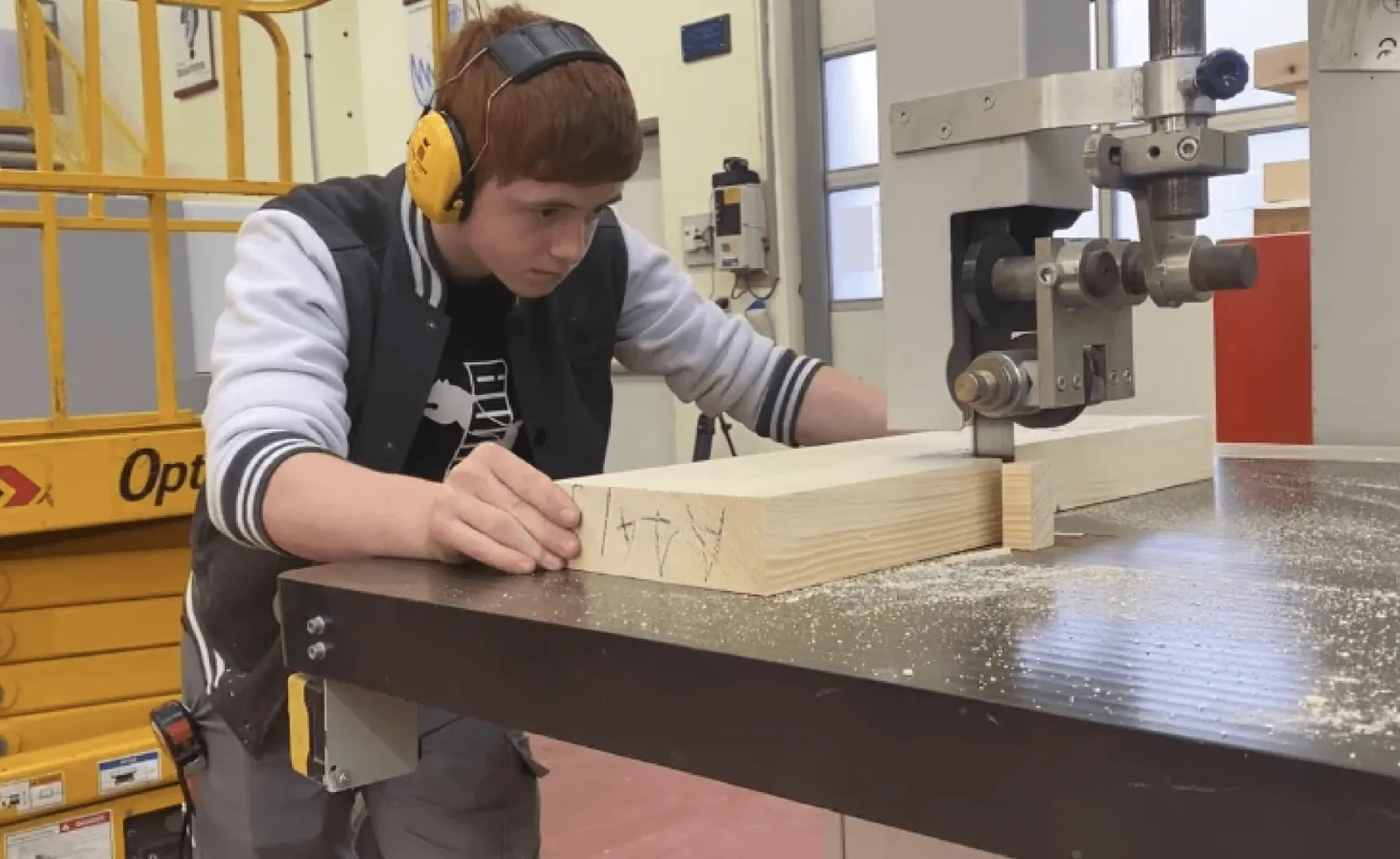
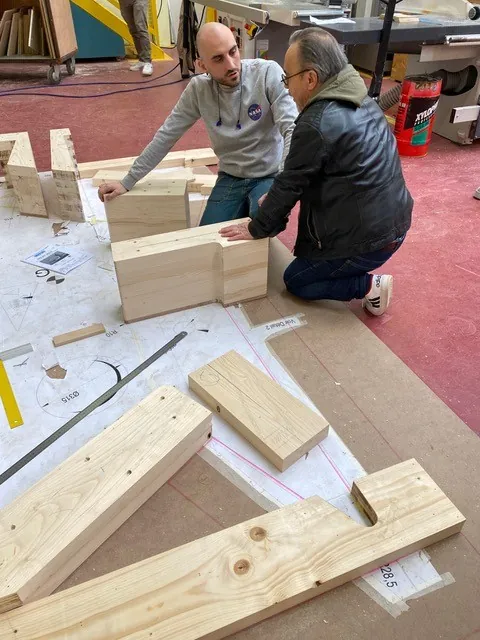
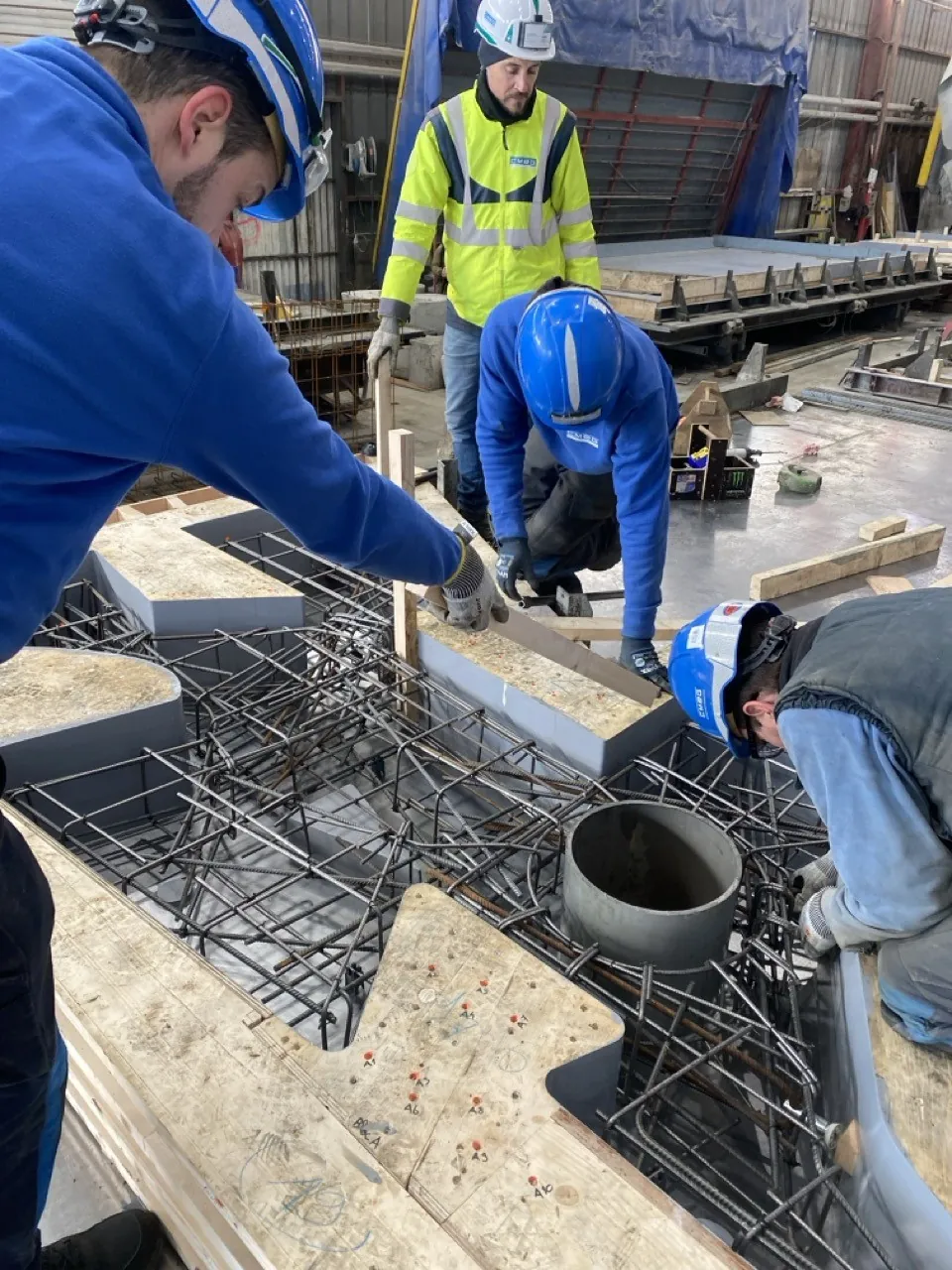
The formwork was made by a team of young people trained in carpentry techniques by the Bâtiment CFA in Caen. The wooden formwork is the strong structure that allows the concrete to be poured.
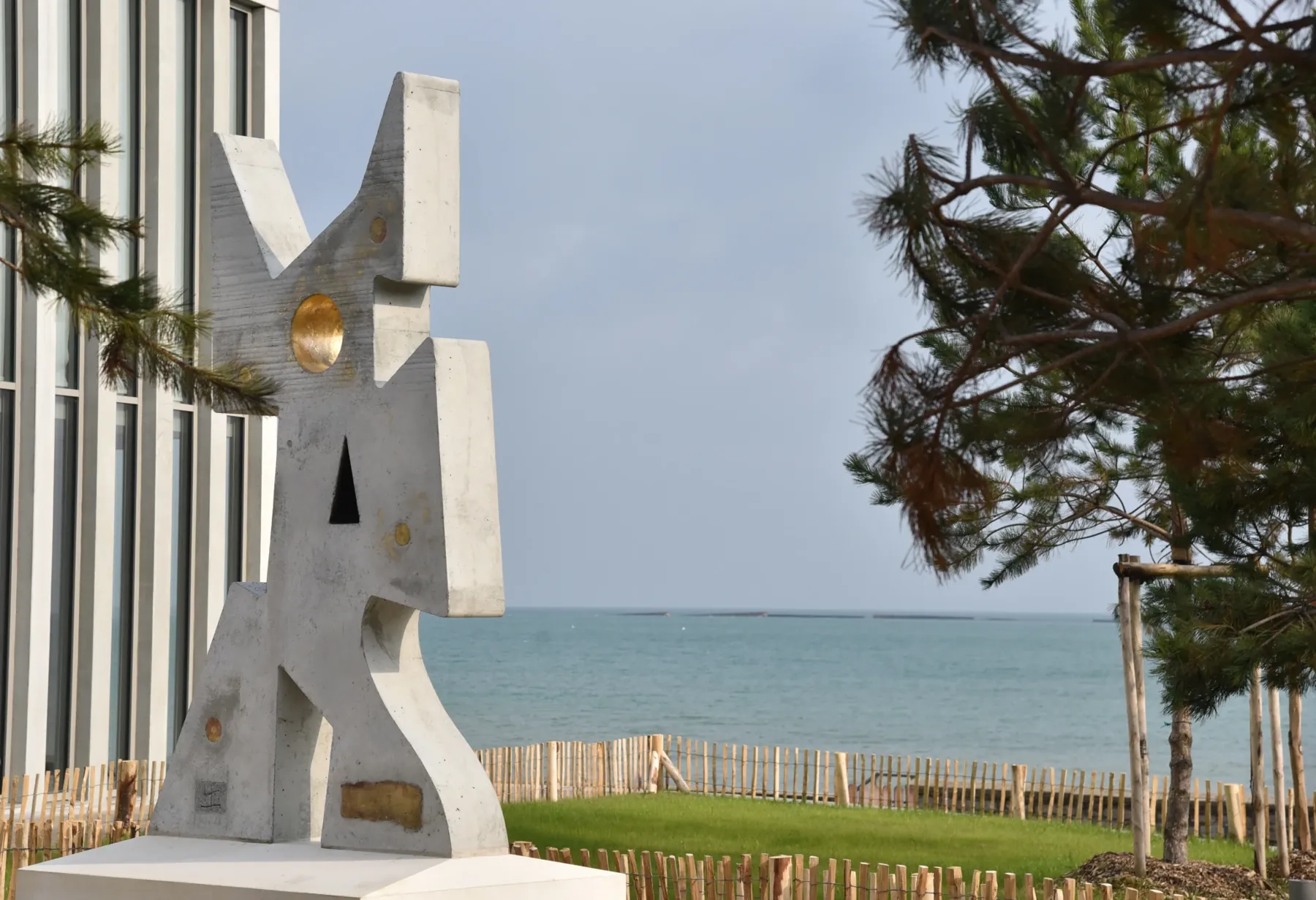
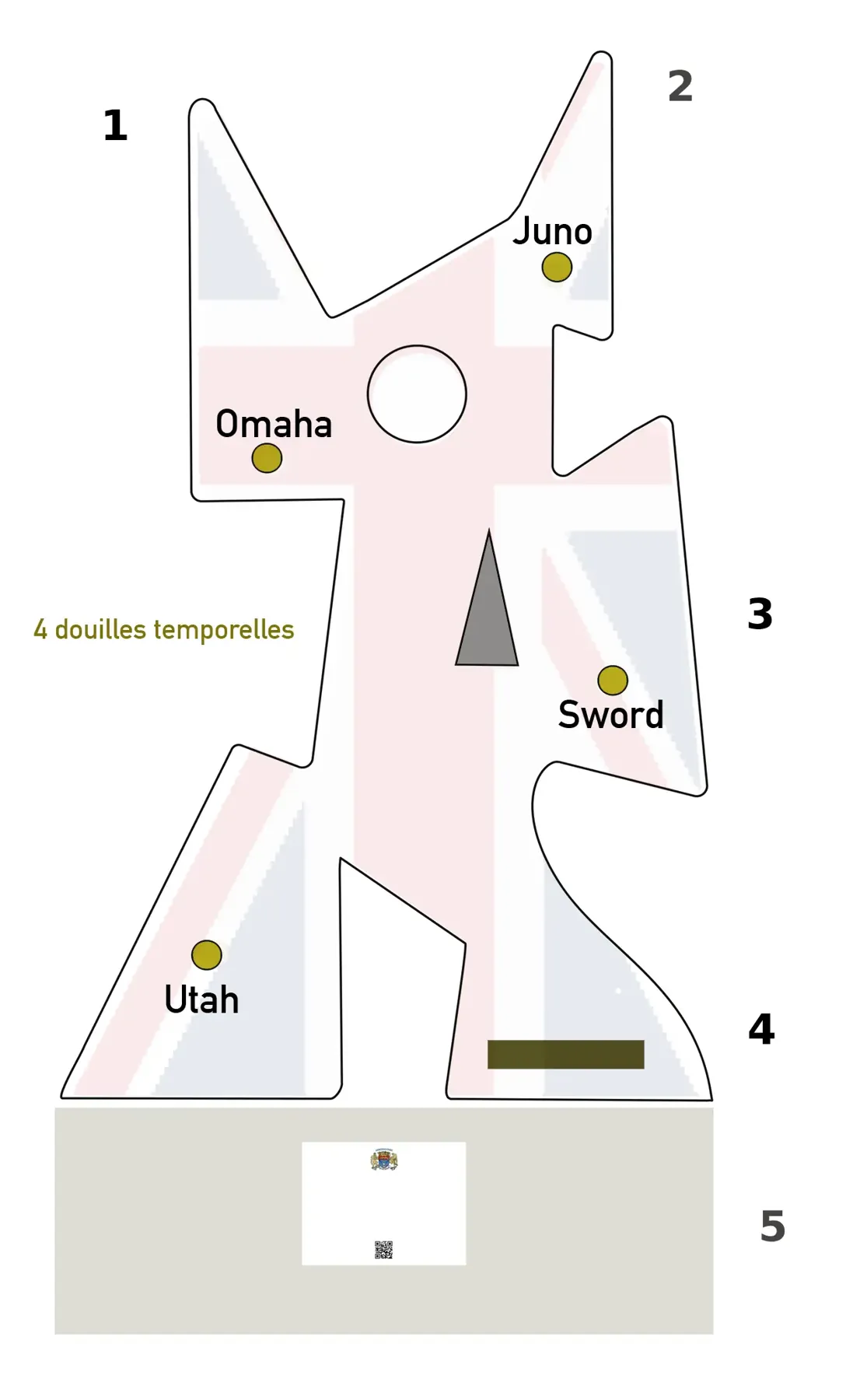
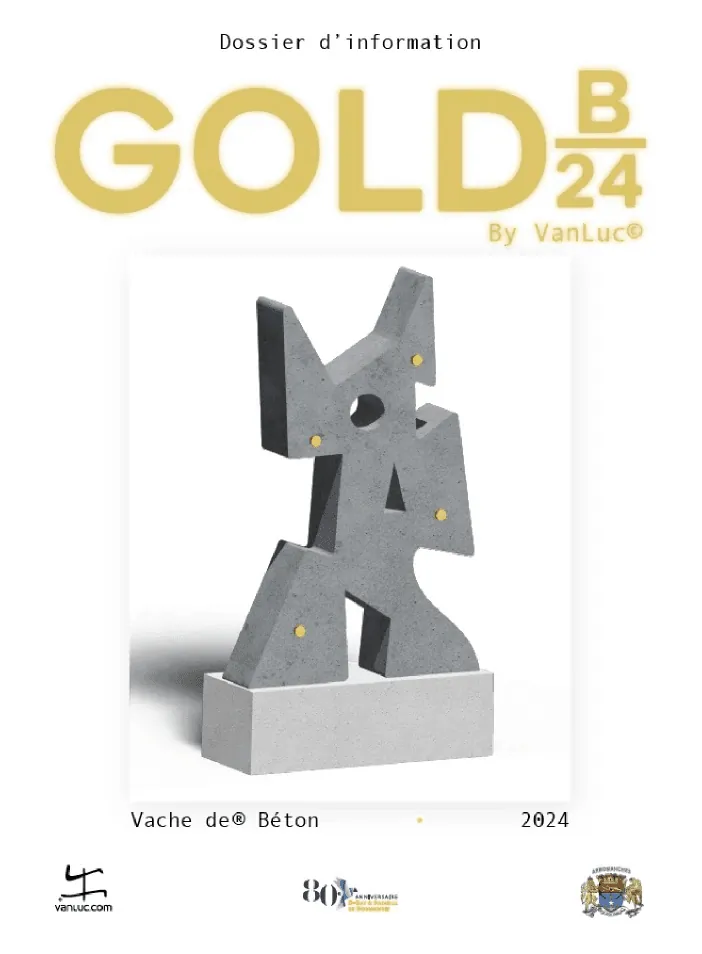
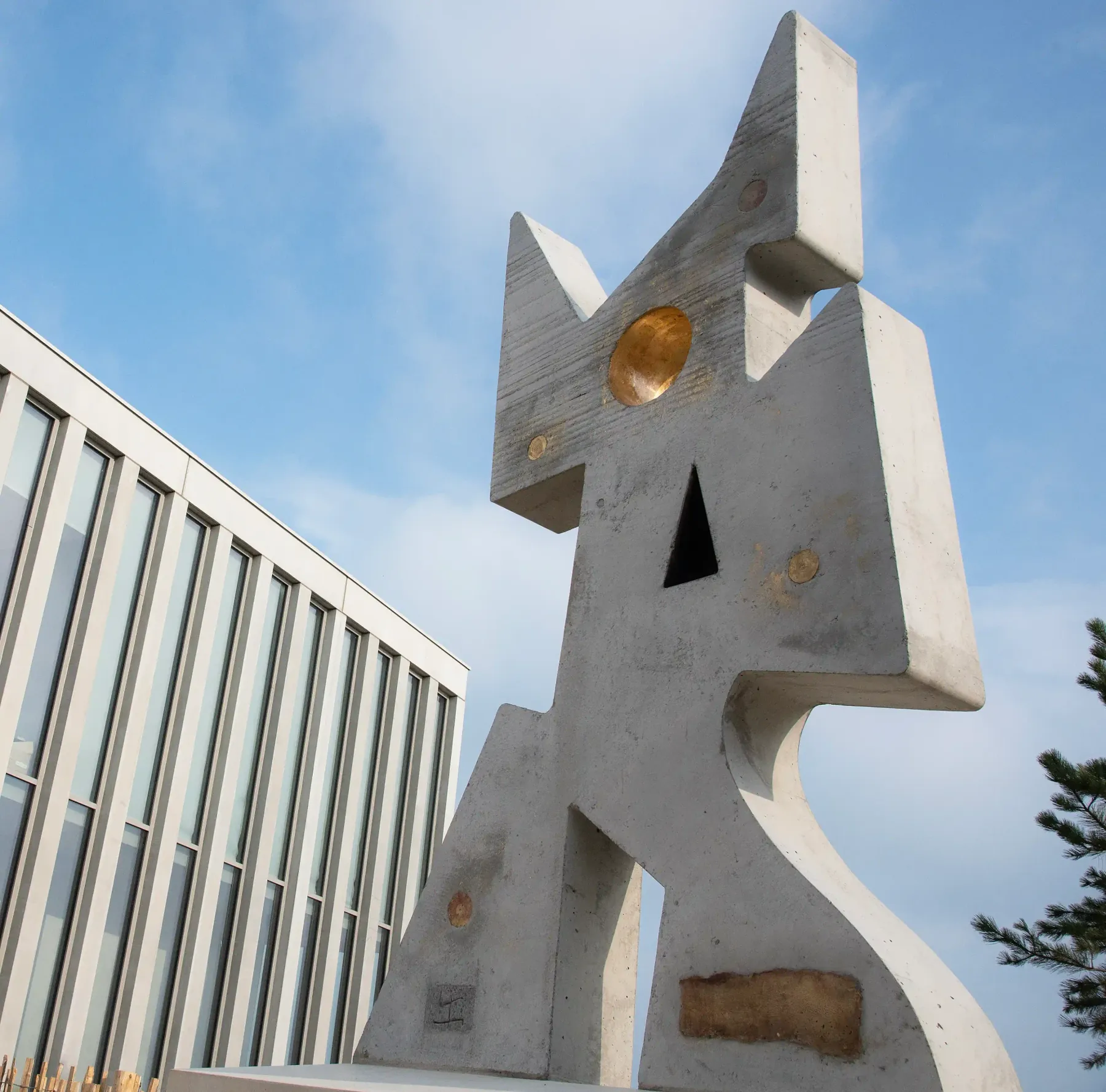
Here, VanLuc, known for his “Vache de ®” series, interprets his vision of the D-Day landings.
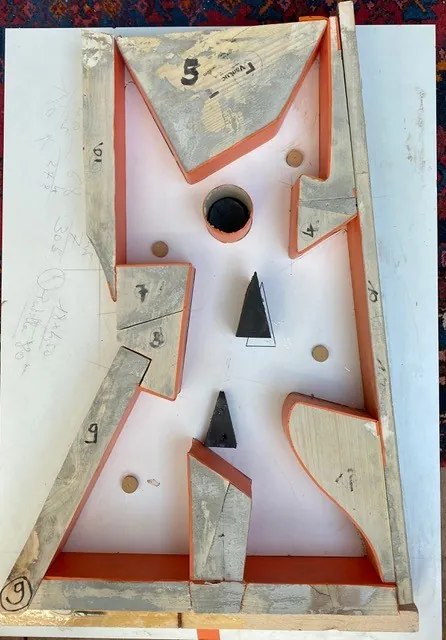
An angular shape reminiscent of the Marquis de Vauban's constructions symbolises the rising Atlantic Wall. The shape is also a variation on the artist's graphic line.
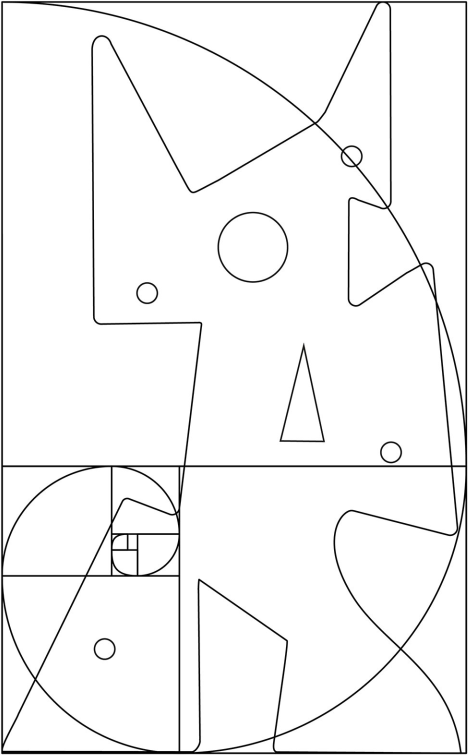
The proportions of the various parts of the sculpture must be harmonious with each other and with the whole. This can be achieved by respecting proportional relationships that create an impression of coherence and unity in the work.
In a monumental sculpture, certain elements may be more dominant than others in terms of size, shape or position. A clear hierarchy of elements helps to guide the viewer's gaze and create a sense of order and structure in the work.
The size of the sculpture must be in keeping with its environment and function. Inappropriate scale can lead to an effect of disproportion that disrupts the visual harmony of the surrounding space.
Monumental sculptures must also take into account the cultural and historical context in which they are located. Symbolic elements, motifs and artistic styles must be appropriate to their environment and communicate effectively with the public.
A monumental sculpture must be visually balanced to avoid any impression of imbalance or disharmony. This means distributing visual weight evenly throughout the work, taking into account the mass, shape and position of the various elements.
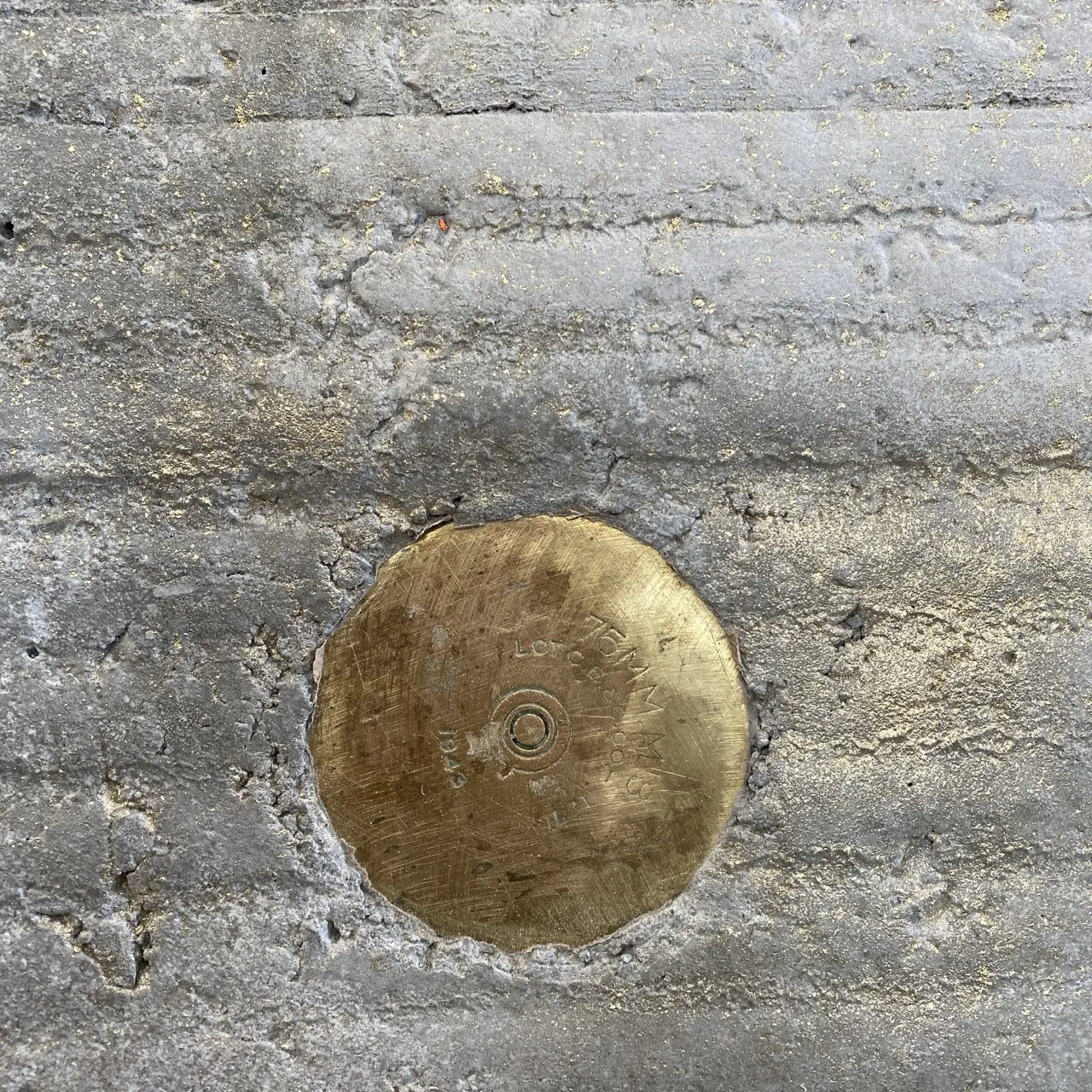
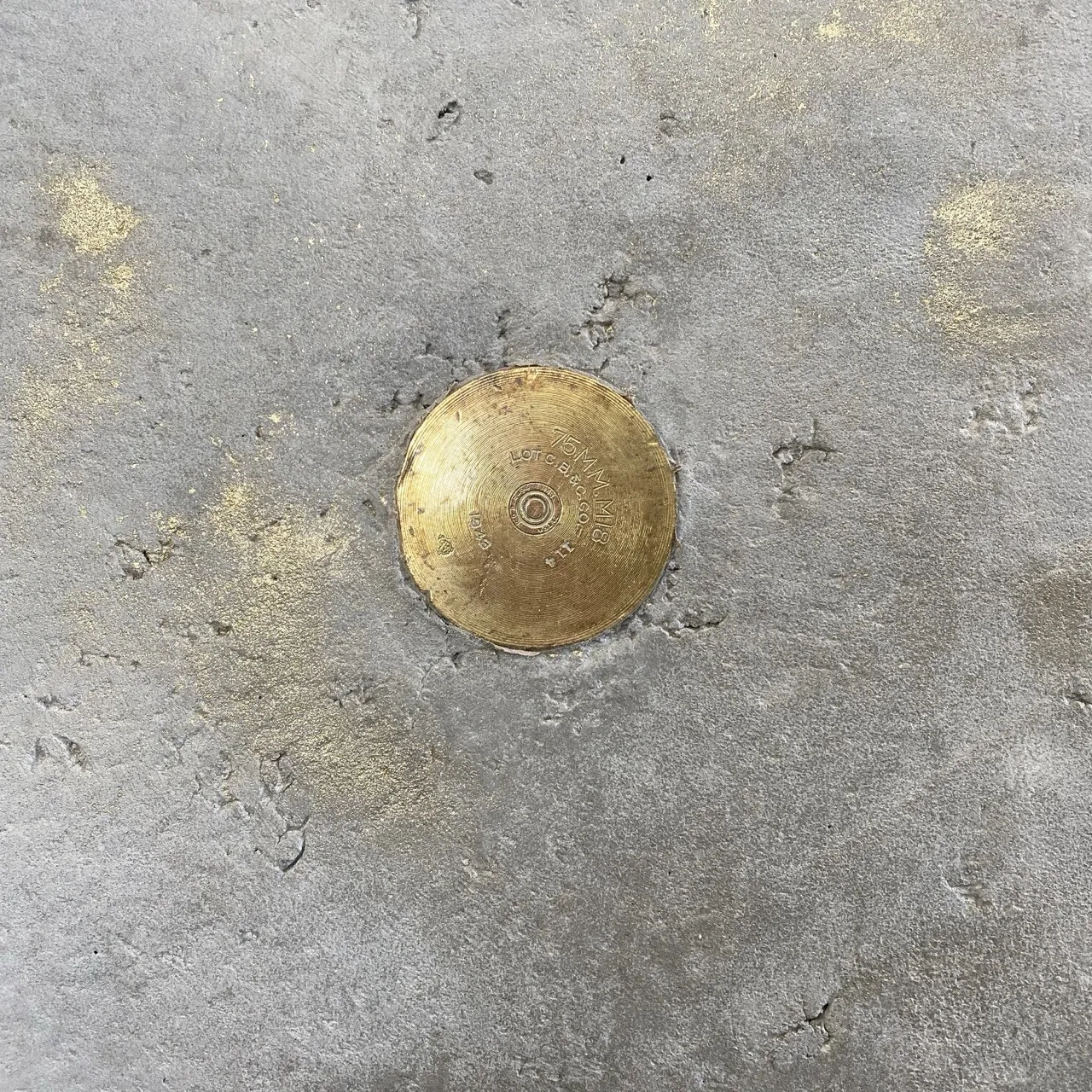
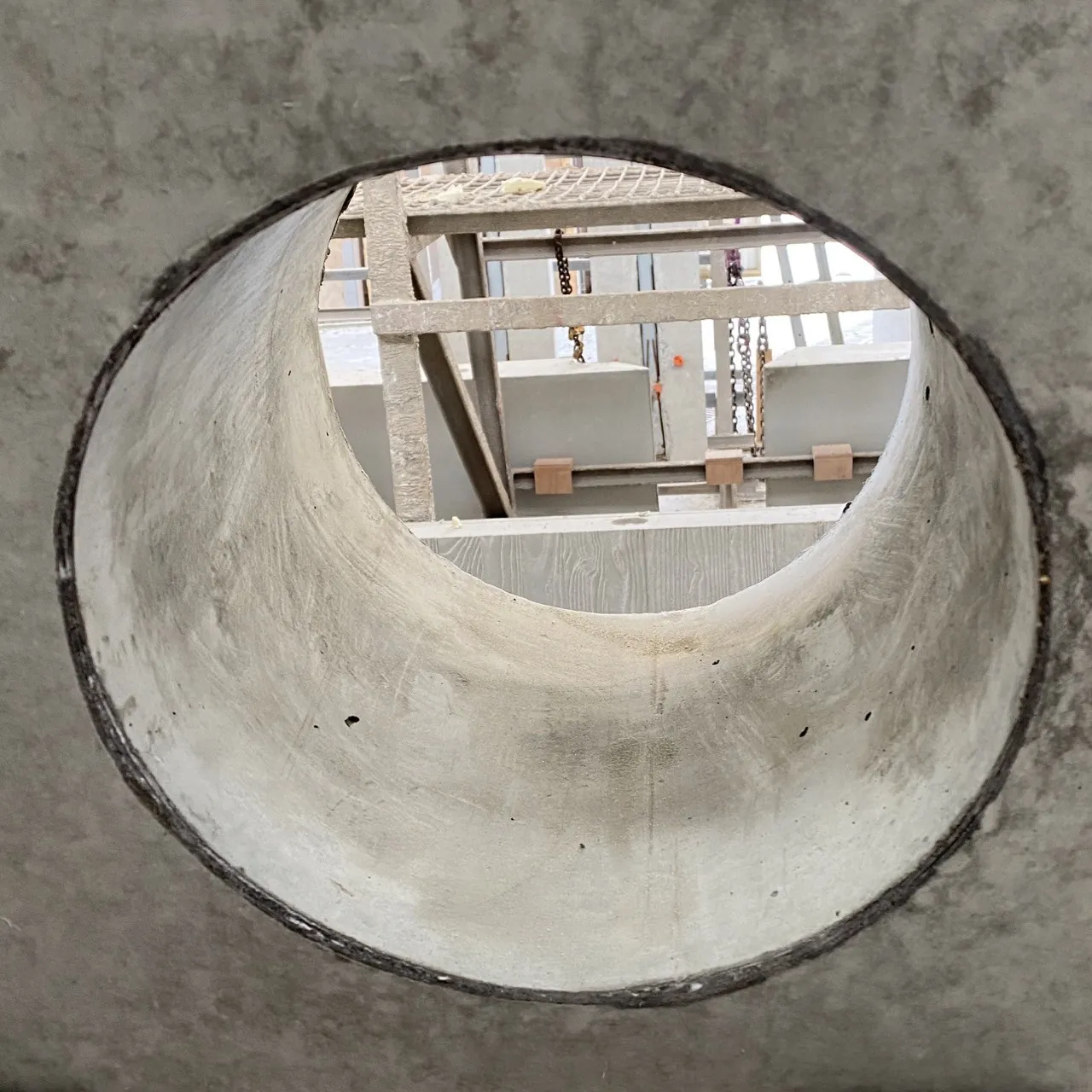
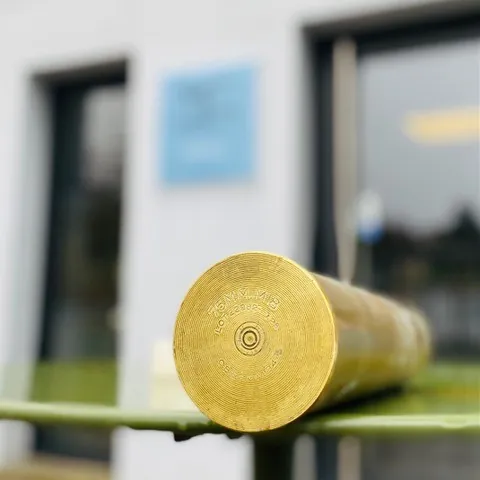
The “golden” circles are 1942/43 shell casings and time capsules. They illustrate the D-Day beaches.
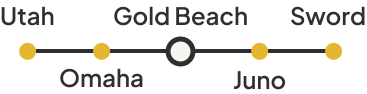
The central circle lets the sun shine through and represents Gold Beach.
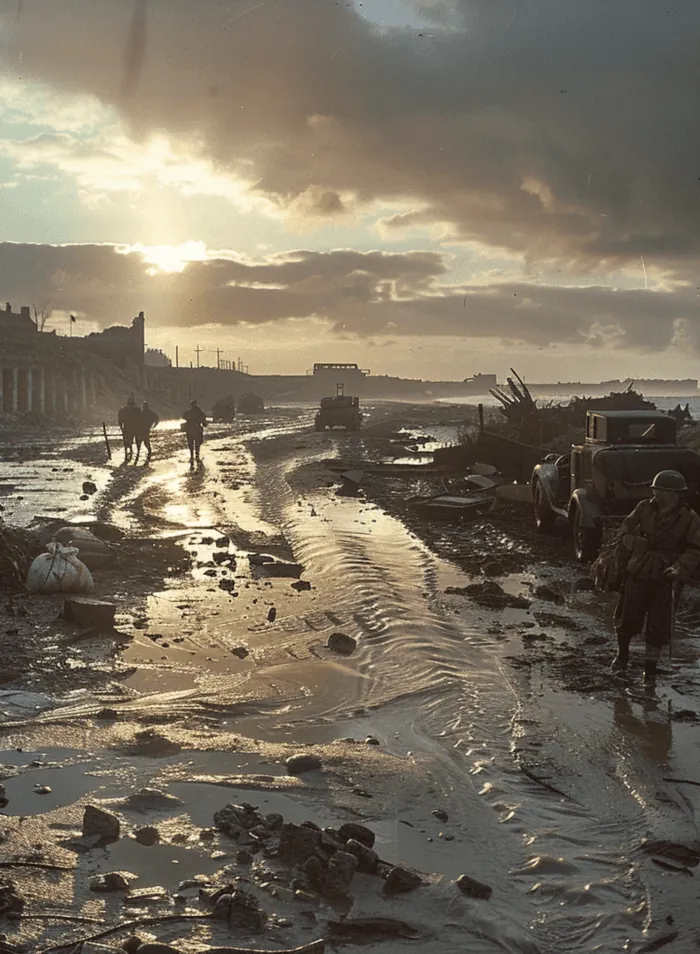
The British “Phoenix” caissons facing the German blockhouses. In Arromanches-les-Bains, two concretes still stare at each other.
Fragile, static monsters, yet witnesses to a dark past in the history of young Europe, led the artist to create his work in concrete. The concrete used has a reduced carbon footprint, and the base is white concrete, both the result of innovation and representative of the material of tomorrow.
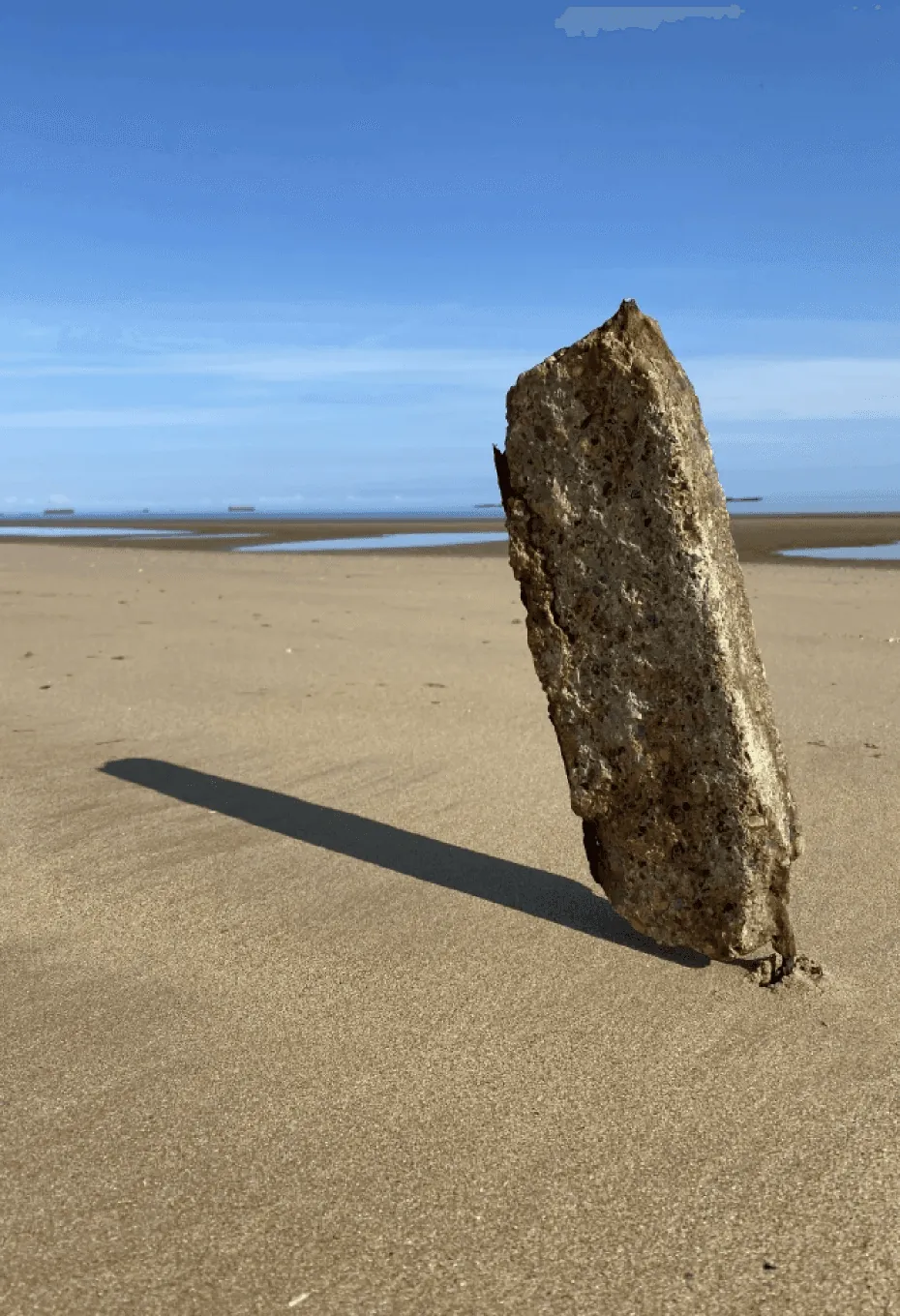
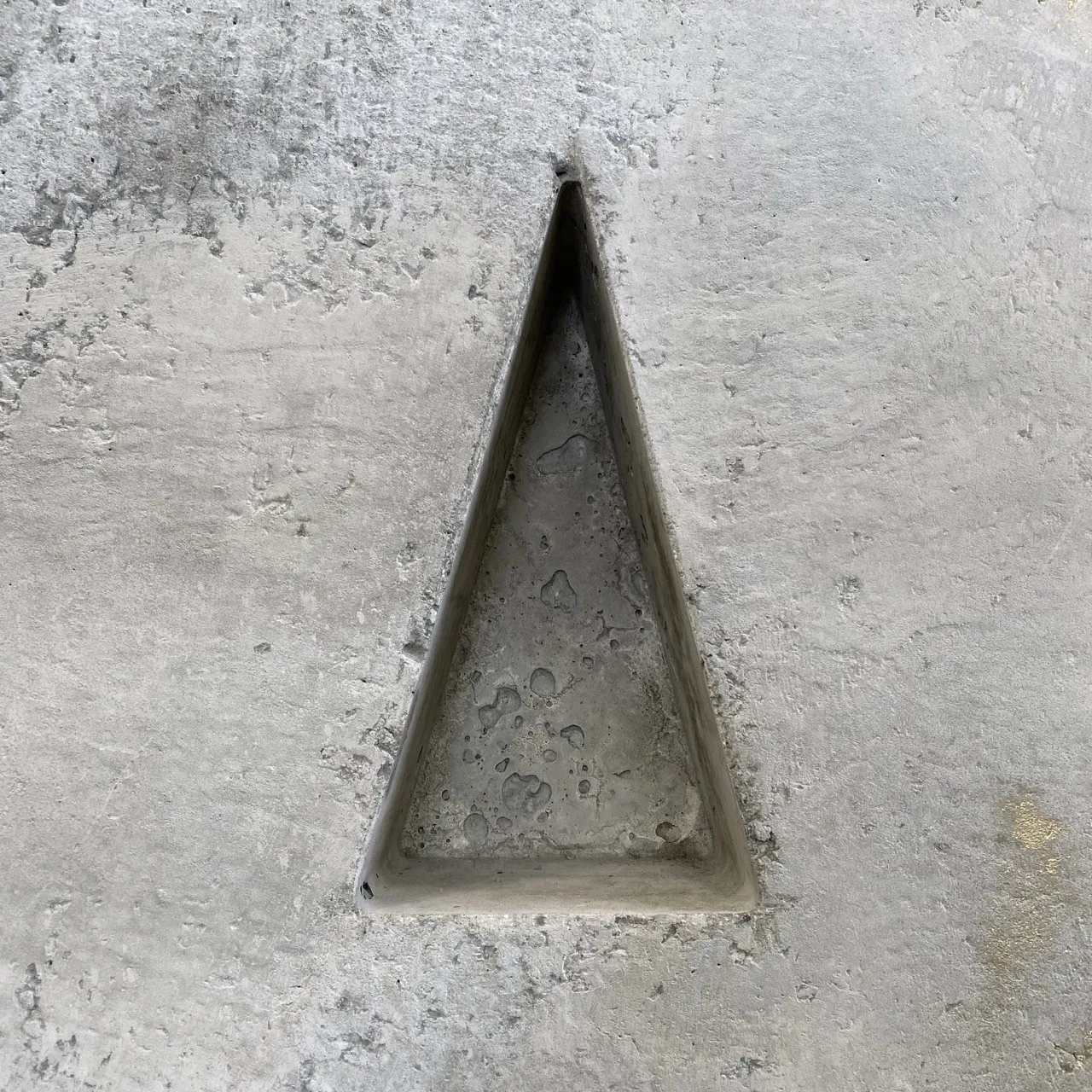
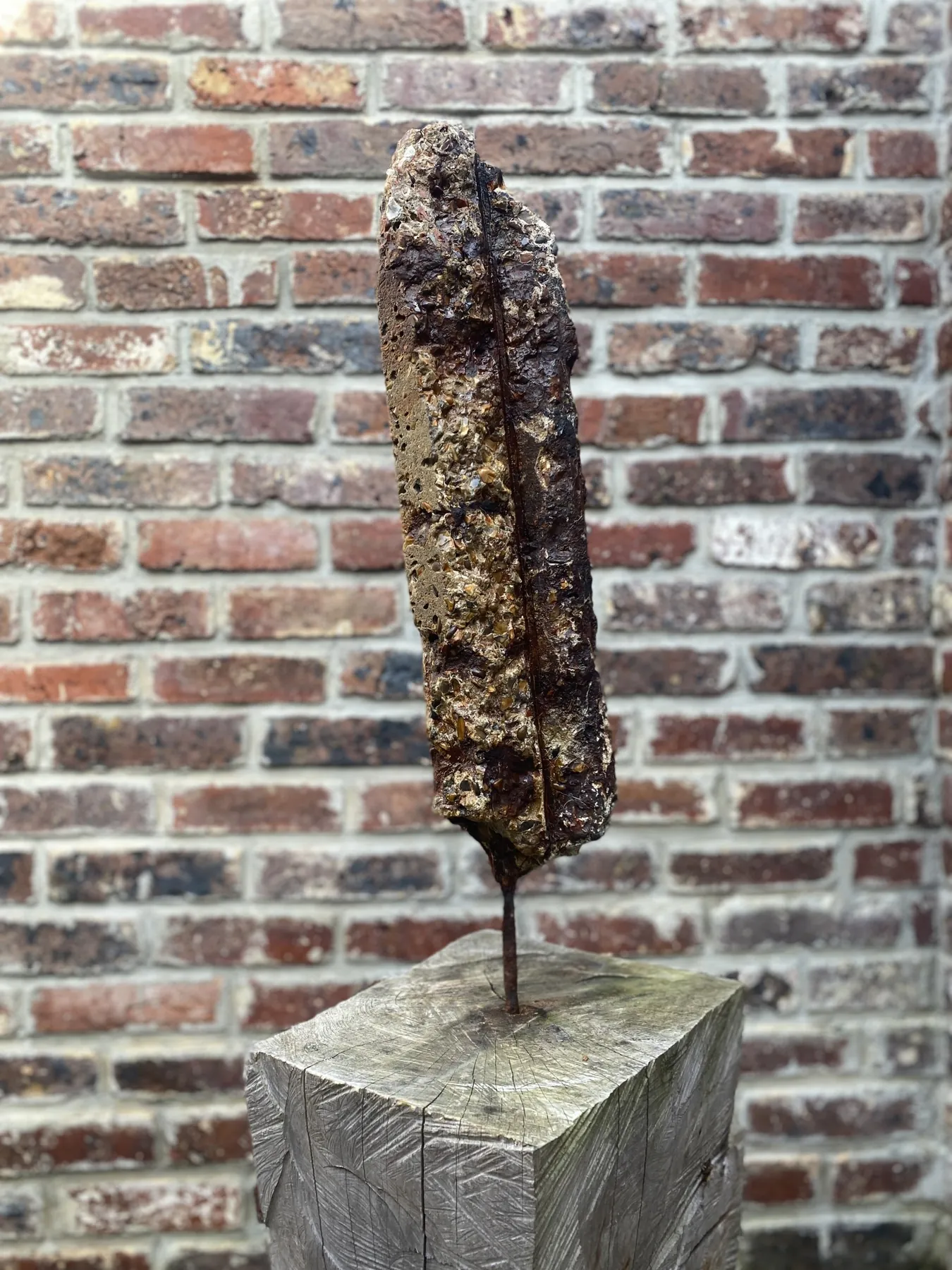
A relic from 1944 made of concrete and steel, found on the beach of Arromanches, is embedded within the structure and is visible to the public.
It was essential for me that young people from Normandy get involved in this memorial project. I'm proud of the commitment of the Bâtiment CFA and the companies of Normandy.
The formwork was made by a team of young people trained in carpentry techniques by the Bâtiment CFA in Caen. The wooden formwork is the strong structure that allows the concrete to be poured.
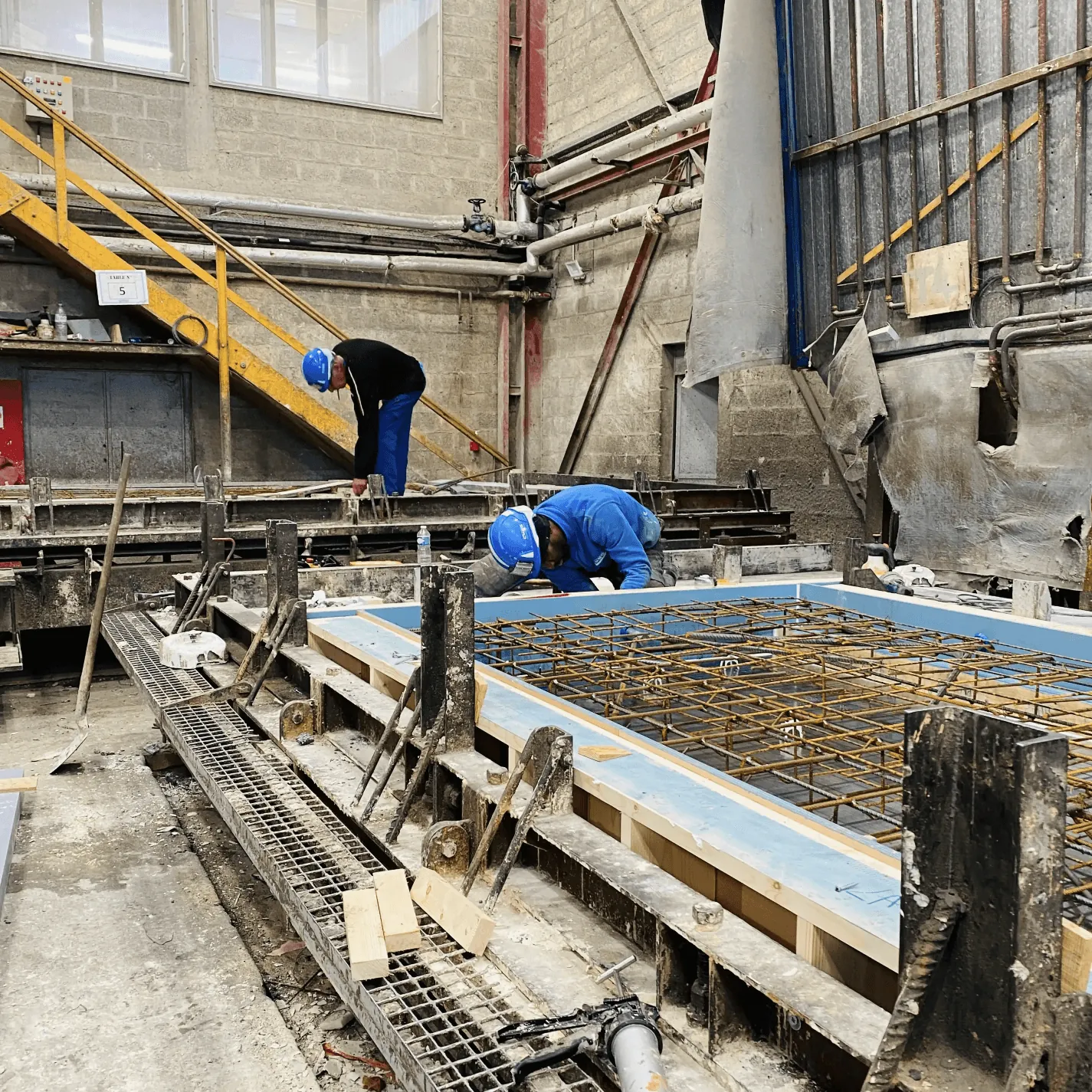
“A parallel with the Normandy resistance of 1944”, the artist likes to recall. The Cemex concrete was produced in Normandy and poured by the CMEG company based in Bretteville-l'Orgueilleuse. This work is a local creation.
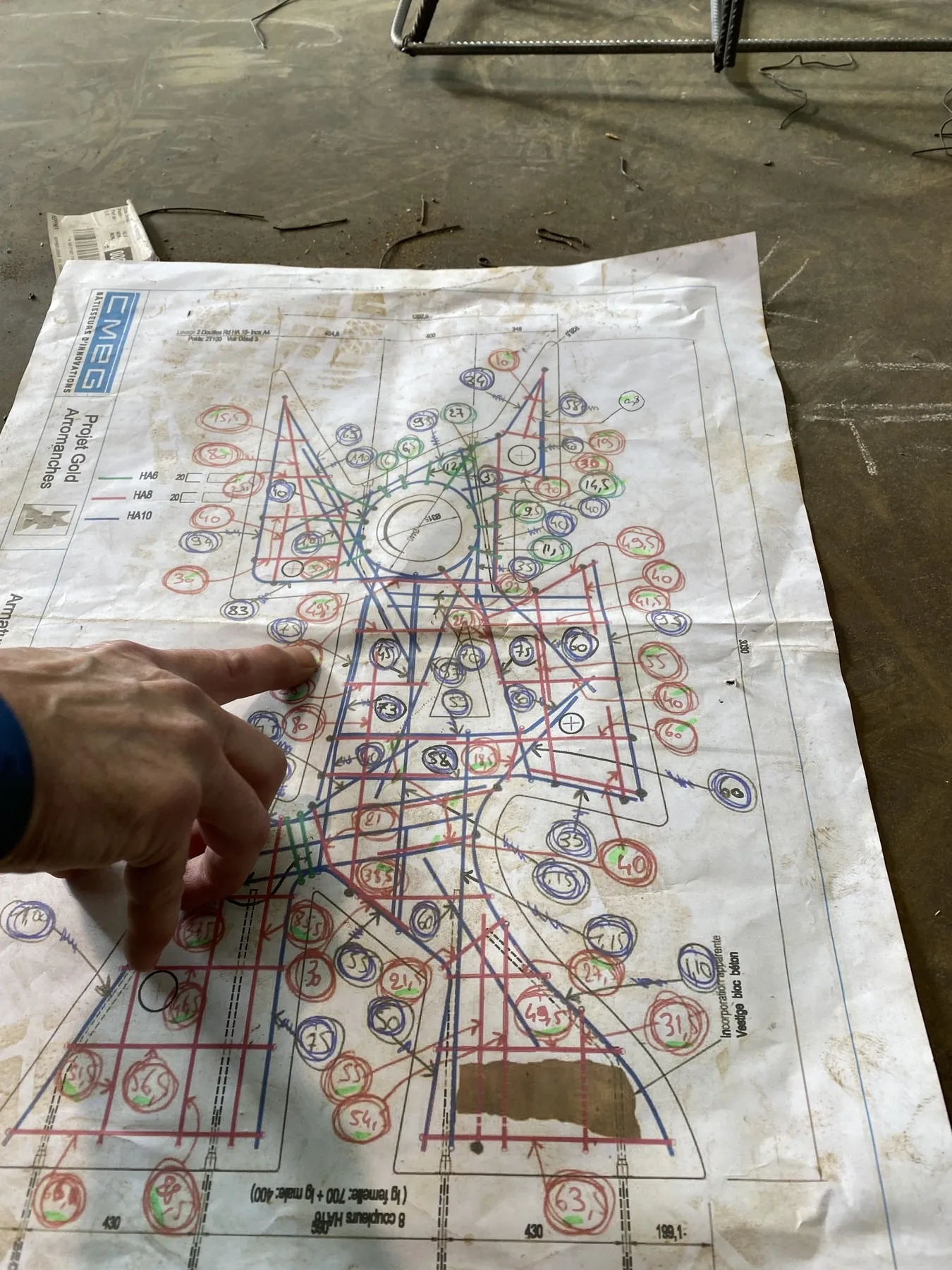
From the workshop to the beach: how the work was made and installed.
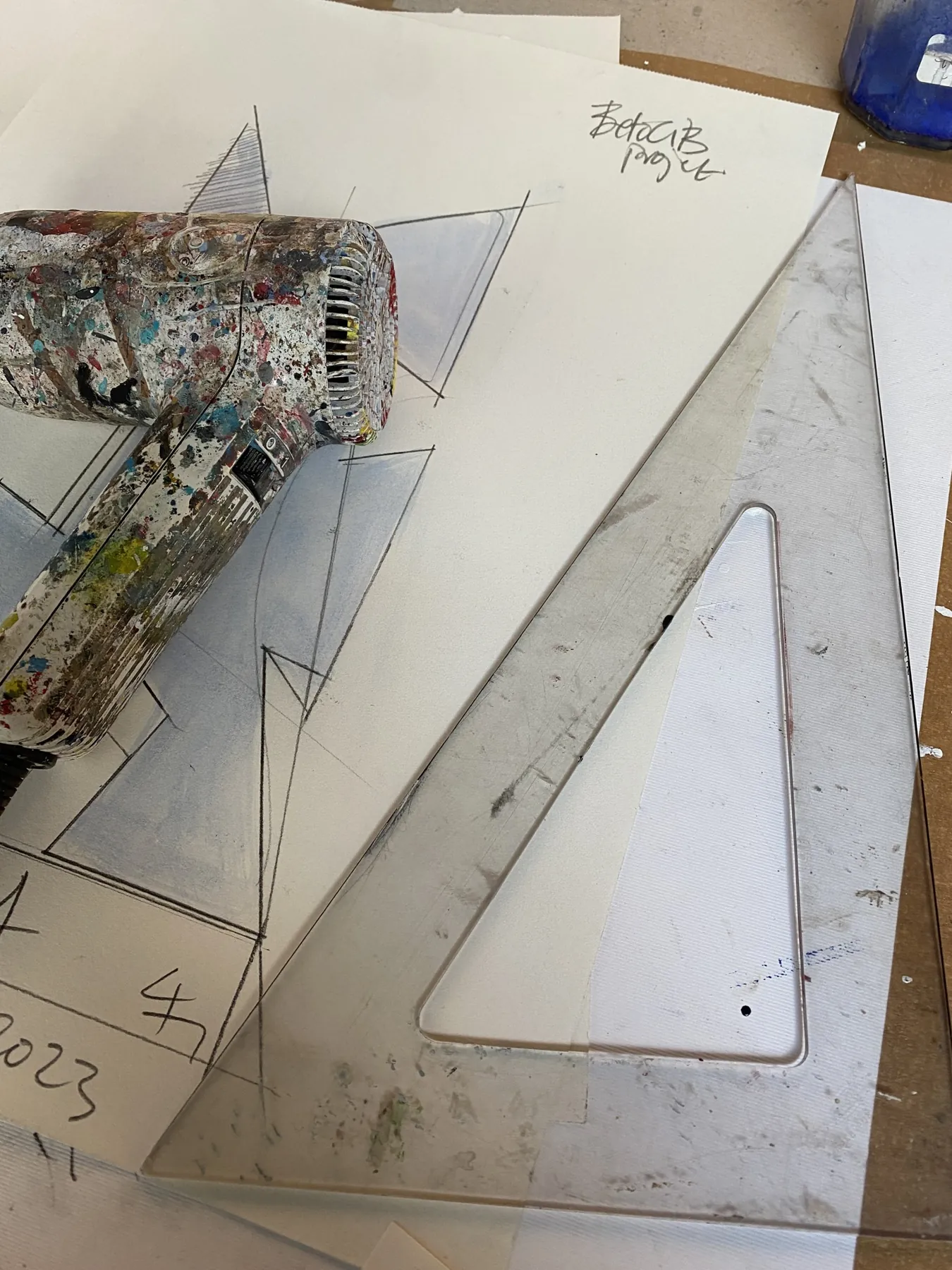
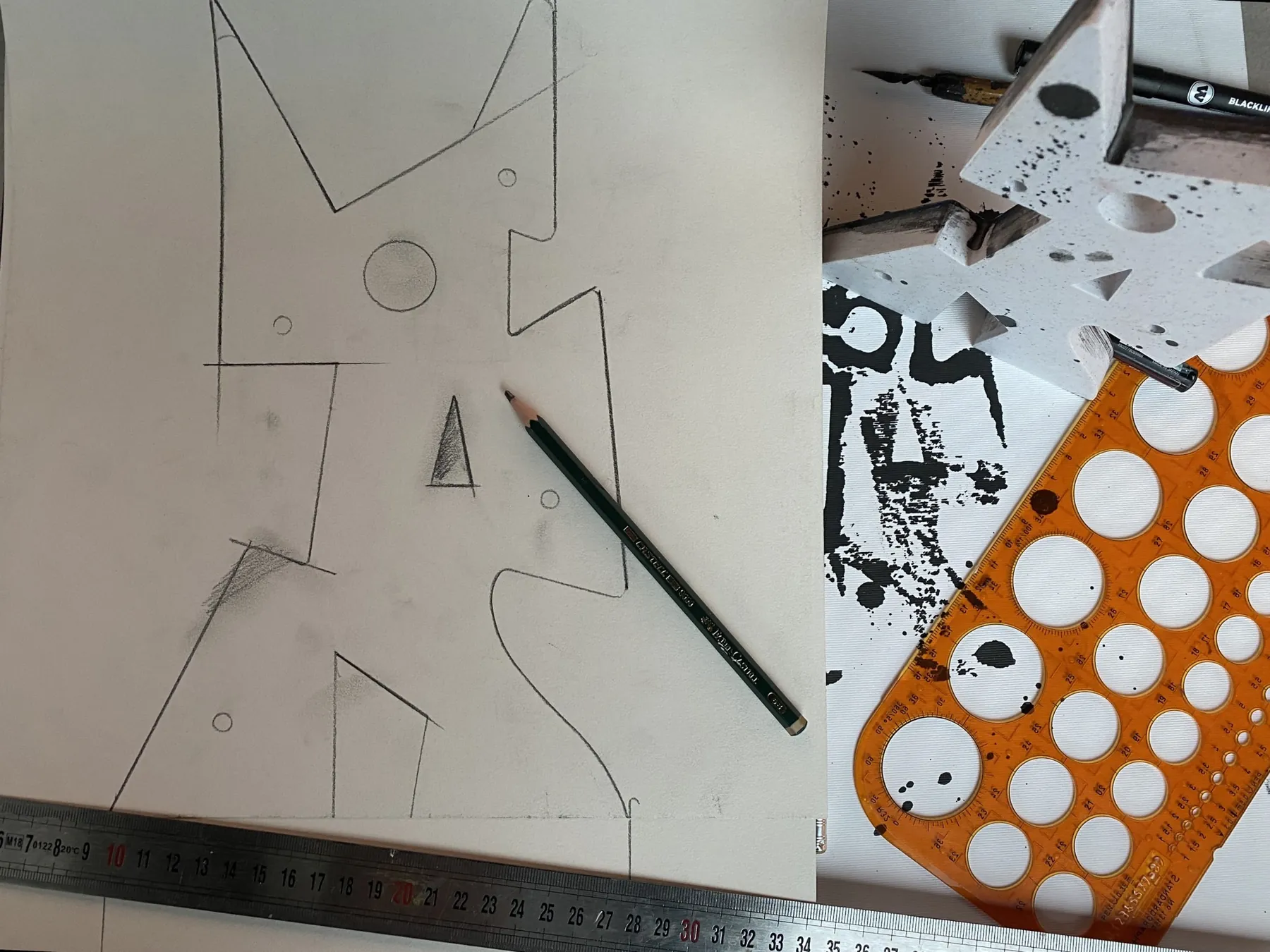
GoldB/24 stands in the open air on the Arromanches-les-Bains seafront, near the D-Day Museum and facing the remains of the Mulberry artificial harbour.
A must-see stop to discover the history of Gold Beach and the D-Day landings in Normandy.
Directions (Google Maps) Open in Apple Maps
Nearby
GoldB/24 stands on the Arromanches-les-Bains seafront (Calvados, Normandy), on Gold Beach, facing the remains of the artificial harbour. GPS coordinates: 49.340181, -0.621422.
The work was designed by VanLuc, a self-taught visual artist who has lived in Arromanches since 2000 and is known for his “Vache de ®” series. He donated it to the town.
GOLD as in Gold Beach, the Arromanches beach; B as in Beach, British and Béton (concrete); 24 as in 2024, the 80th anniversary of D-Day; B/24 as in the Liberator bomber that helped liberate Normandy.
For the 80th anniversary of D-Day in 2024, as a tribute to the builders of the Arromanches artificial harbour, the famous Mulberry harbour built by the British in 1944.
The sculpture is 3.60 m tall and weighs 5 tonnes. It is made of decarbonised reinforced concrete on a white concrete base, and incorporates a 1944 remnant of the artificial harbour and golden shell casings.
Made entirely in Normandy: wooden formwork built by young apprentices of the Bâtiment CFA in Caen, Cemex concrete produced in Normandy and poured by CMEG in Bretteville-l'Orgueilleuse.














My warmest thanks to my team and partners, without whom nothing would be possible. — VanLuc